
Try the campaign and early team-building loop before deciding how deeply you want to invest.
Deep team building for collectors who enjoy steady account progression.
- Large Champion roster
- Many tactical modes
- Polished PC client
- Heavy resource pressure
- Long-term progress can become repetitive
RAID: Shadow Legends remains easy to understand at the start and increasingly demanding as team building expands. Try RAID on PC if collecting Champions and solving turn-based encounters sounds appealing. Its best moments come from fixing a team that almost works, then seeing one better speed order, artifact choice or debuff turn a failed run into a reliable clear.
Champion art makes a strong first impression
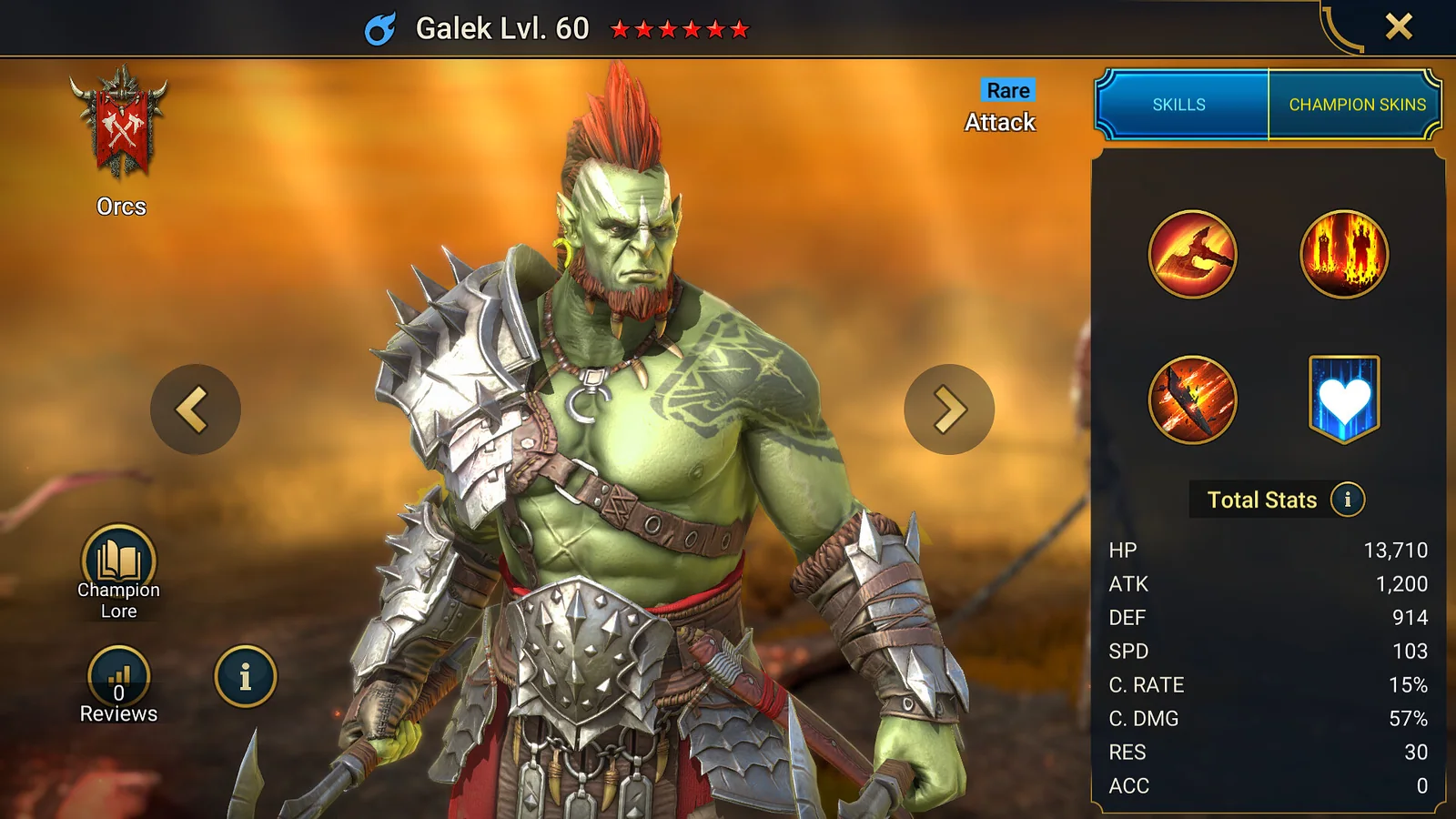
The roster covers many factions and roles, with distinctive silhouettes that make opening a new Champion feel meaningful. Collect your first Champions with team needs in mind, then invest in the few who help campaign progress. The art creates excitement, but the useful question is always what a Champion adds to the account.
Attackers can speed up the campaign, Support Champions can bring healing or control, and durable specialists can make difficult stages more predictable. Rarity does not automatically create a useful team. A focused lower rarity Champion can fill a missing role better than an impressive pull that repeats damage you already have.
Turn-based combat becomes a planning game
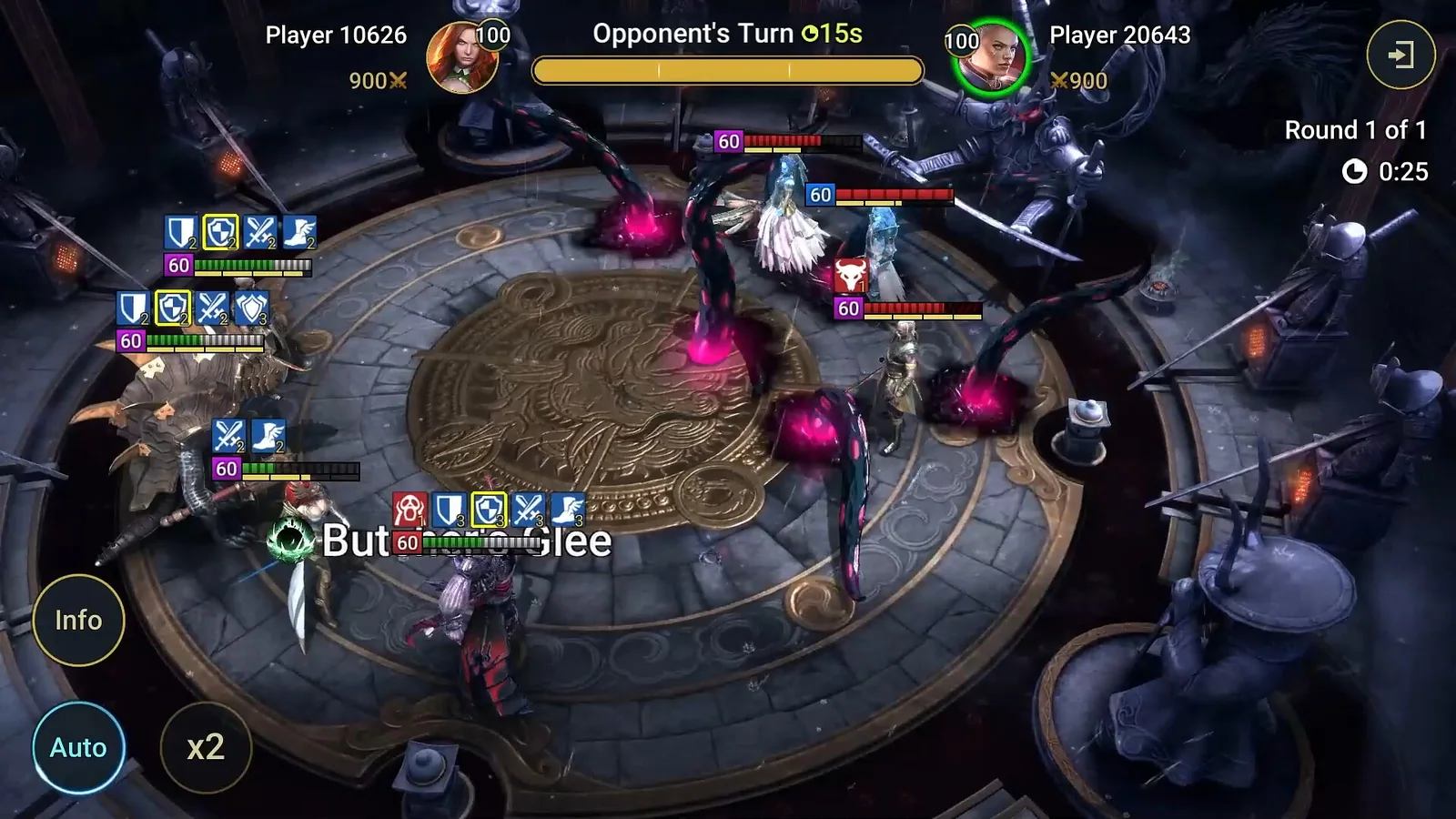
Speed, buffs, debuffs and turn order matter more as difficulty rises. Test the turn-based combat manually before relying on auto battle. Manual play shows whether a skill is being used too early, whether a debuff lands before the main attack and whether the team can recover after a dangerous enemy turn.
Auto battle is valuable for repeat farming once a team is dependable. It is less useful as a diagnostic tool. When a stage fails, play it manually and watch who acts first, who loses health fastest and which important skill is unavailable at the wrong moment.
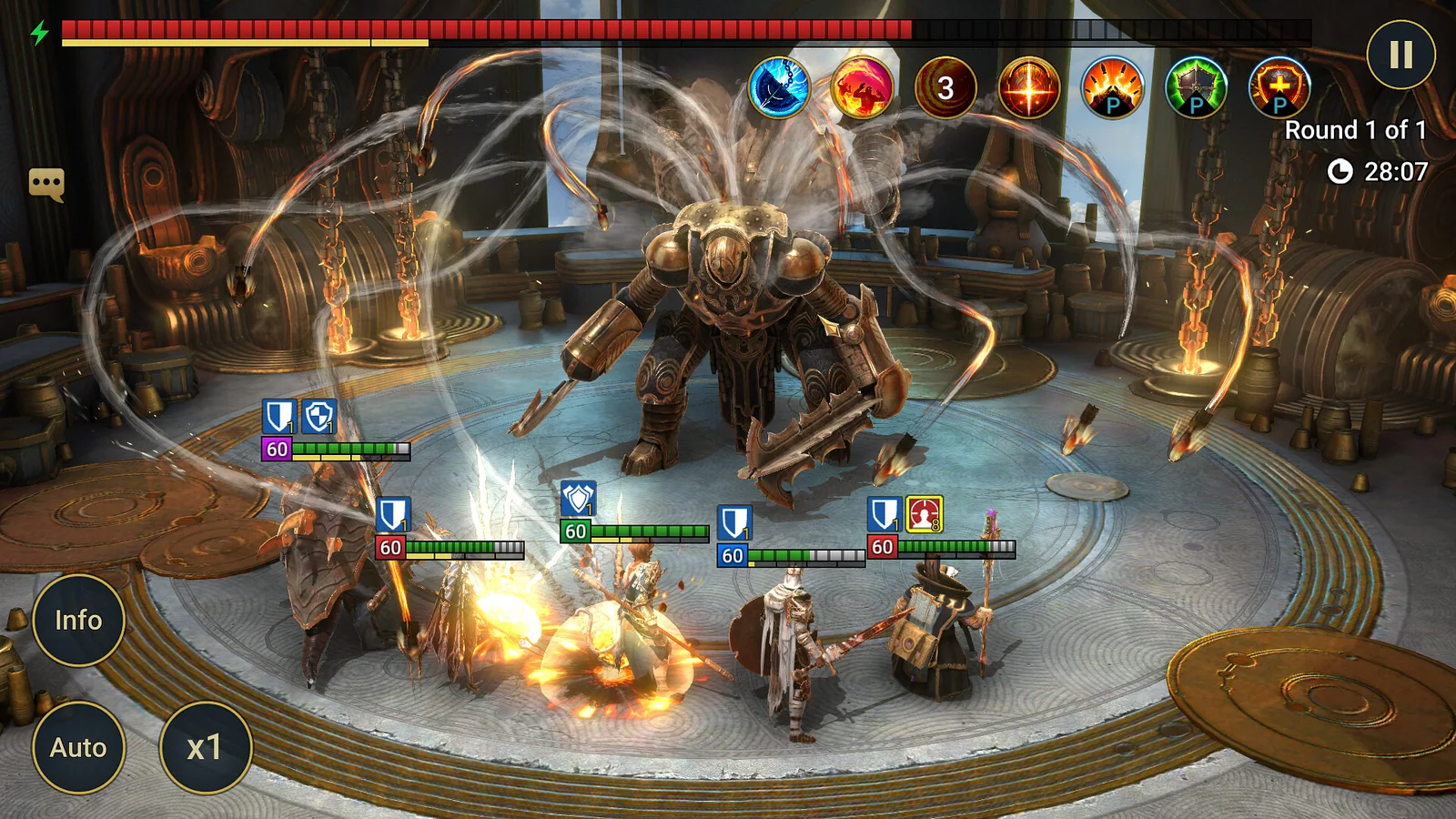
See it in motion
An official video gives you a clearer look at the world, combat and pace.
Different modes need different answers
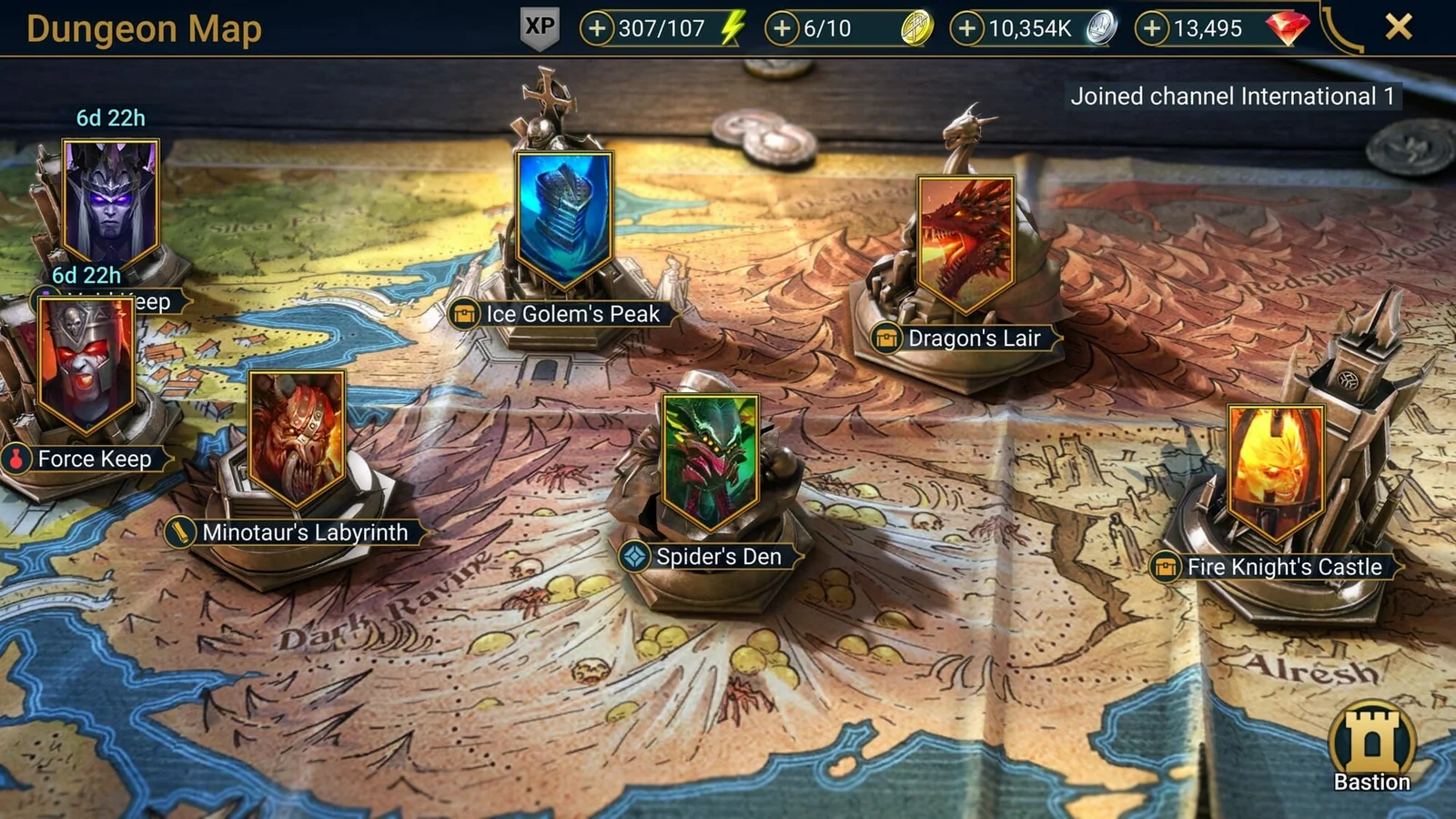
Campaign, Arena and bosses reward different skills. Build teams for different modes gradually instead of expecting one group to solve everything. The campaign values reliable wave clearing and survival. Boss encounters can reward sustained damage, poison and team protection. Arena places much more pressure on speed, control and opening order.
This variety gives RAID long-term depth, but it also creates work. Players who enjoy maintaining several specialized squads will see a steady stream of goals. Players who prefer one permanent party may find the roster demands tiring.
Resource pressure shapes the experience
Energy, upgrade materials and gear rolls reward patience. The game fits regular short sessions better than uncontrolled spending or constant roster changes. Progress feels strongest when every farming session has a purpose, such as ranking one campaign carry, improving a key artifact set or preparing a specialist for a boss.
The free entry point lets you learn the loop before deciding how much time it deserves. Frequent offers and progression prompts are part of the experience, so set a clear personal limit. The game is more satisfying when a plan drives the account instead of every new notification.
The PC version is the best planning space
The Windows client gives the roster, artifact screens and battle information more room than a phone display. Mouse control makes it easier to compare gear and move through long management sessions. Performance is generally less demanding than a large open world game, but a stable connection still matters because account progress and battles depend on online services.
If you are starting fresh, our RAID beginner guide explains the four starters, core roles and early resource priorities.
Who will enjoy RAID most?
RAID fits collectors who like optimization, repeatable goals and gradual account growth. It also works for players who want short daily sessions with occasional longer pushes into a boss, dungeon or Arena target. It is a weaker fit for anyone seeking a linear campaign with a clear ending or instant access to every team idea.
Is it friendly to free players?
The campaign and early progression provide enough space to learn without paying, but patience becomes part of the challenge. A free account should treat energy, upgrade books, currency and high quality artifacts as planned resources. Events can accelerate progress when their goals match upgrades you already need.
Avoid measuring the account against players who spend heavily or have played for years. Set practical targets such as building a reliable campaign farmer, clearing a new dungeon level or improving one boss team. Those milestones give the free experience a healthier pace.
What we would improve
The game explains its basic battles faster than its long-term economy. Clearer guidance around valuable upgrade materials would protect new players from expensive mistakes. Fewer overlapping prompts would also let the strong Champion art and tactical systems carry more of the presentation.
The core remains enjoyable when team decisions produce a visible result. RAID needs the player to create that focus because the number of modes and offers can easily distract from it.
The verdict
Start your account on Windows if you enjoy collection RPGs and steady optimization. The tactical layer is real, the presentation remains strong and the amount of content can support a long-term hobby. Resource pressure and repetition keep it from being an easy recommendation for everyone. Our 7.7 score reflects a polished strategy RPG that rewards patient planners more than impulsive collectors.
Official reference: RAID official site.
Try the campaign and early team-building loop before deciding how deeply you want to invest.