
Quick answer: Sony has set an end date for new PlayStation discs, but publishers, retailers and player habits will determine how quickly physical games disappear.
The decline of physical games is often described as a decision that PlayStation and Xbox can make on their own. That is only part of the story. Sony has now made a direct choice by confirming that production of physical discs for new PlayStation games will stop in January 2028. Microsoft continues to sell Xbox hardware with and without a disc drive, while also testing a way for supported discs to grant digital access.
Those platform decisions matter. They do not operate in isolation. Publishers decide whether a game receives a boxed release, retailers decide how much shelf space it deserves, manufacturers need enough volume to keep production economical, and players decide whether convenience is worth giving up a disc they can lend, resell or keep.
Sony has put a date on the transition
Sony's announcement makes the PlayStation direction unusually clear. Starting in January 2028, new games released for PlayStation consoles will no longer enter physical disc production. Games released before that point are not included in the change, so the announcement does not mean every existing PlayStation disc disappears overnight.
The timeline still changes the conversation. A publisher can only choose a new physical PlayStation edition when the platform and its production network support one. Once that route closes, collector demand alone cannot keep ordinary new releases on disc.
Sony's own sales mix helps explain the business pressure. In its fiscal year 2025 third-quarter supplemental report, Sony said digital downloads represented 76 percent of full PS4 and PS5 game unit sales during the quarter. That figure covers full-game sales through PlayStation Store and excludes add-on content. It does not prove that every player wants an all-digital future, but it shows why physical production is serving a smaller share of purchases.
The hardware has already prepared players for both choices
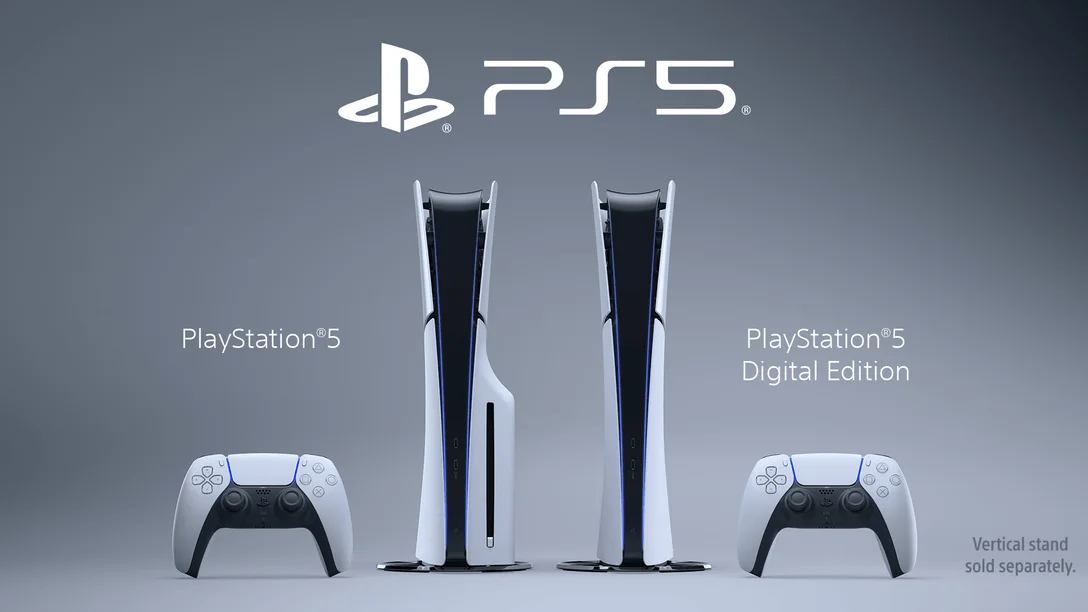
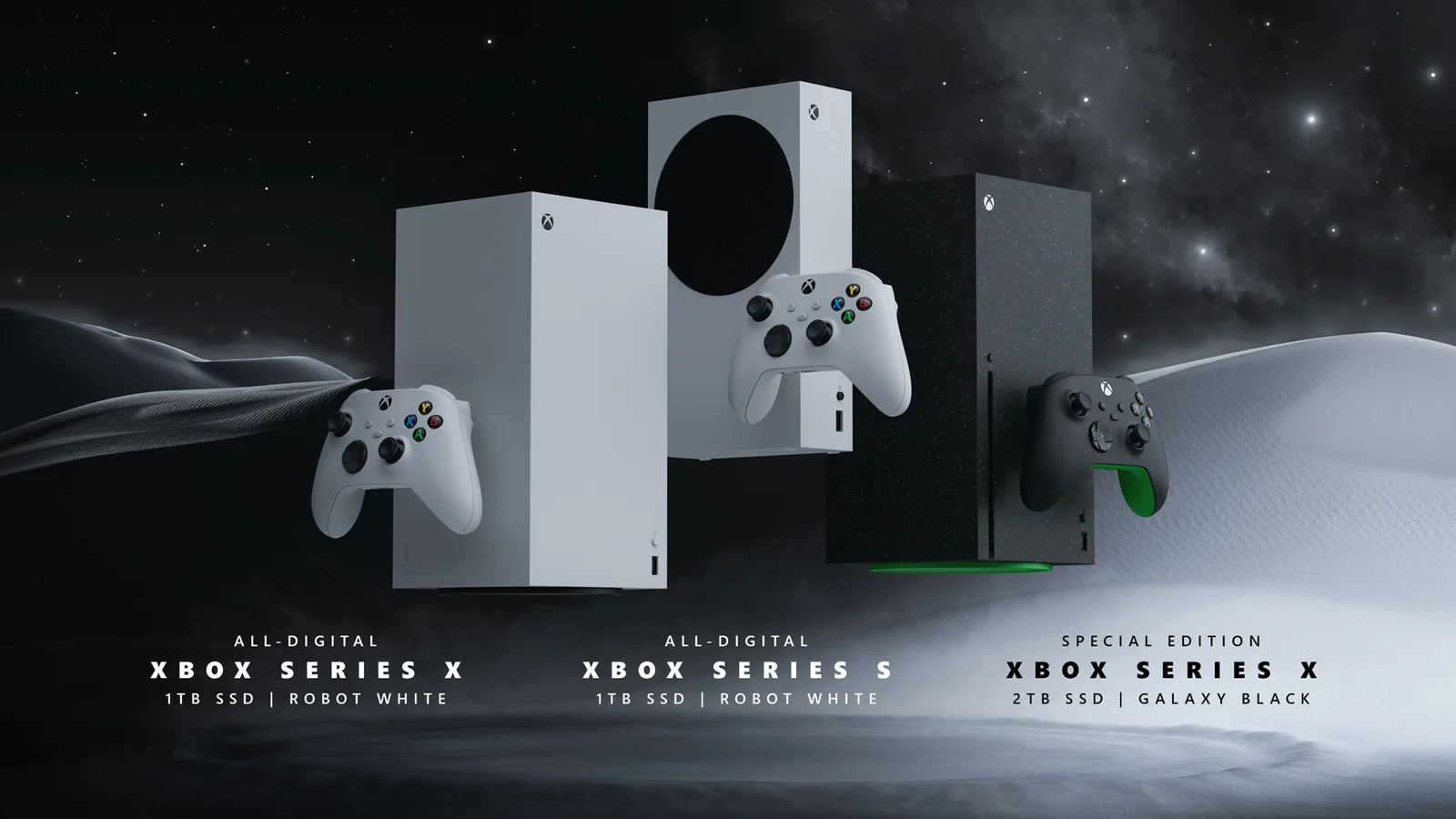
The current console market did not switch from discs to downloads in a single generation. It introduced both options beside each other. Sony's revised PS5 family includes a console with a disc drive and a Digital Edition that can use a separately sold Ultra HD Blu-ray drive. Xbox has also sold Series X and Series S configurations with no disc drive alongside a disc-equipped Series X.
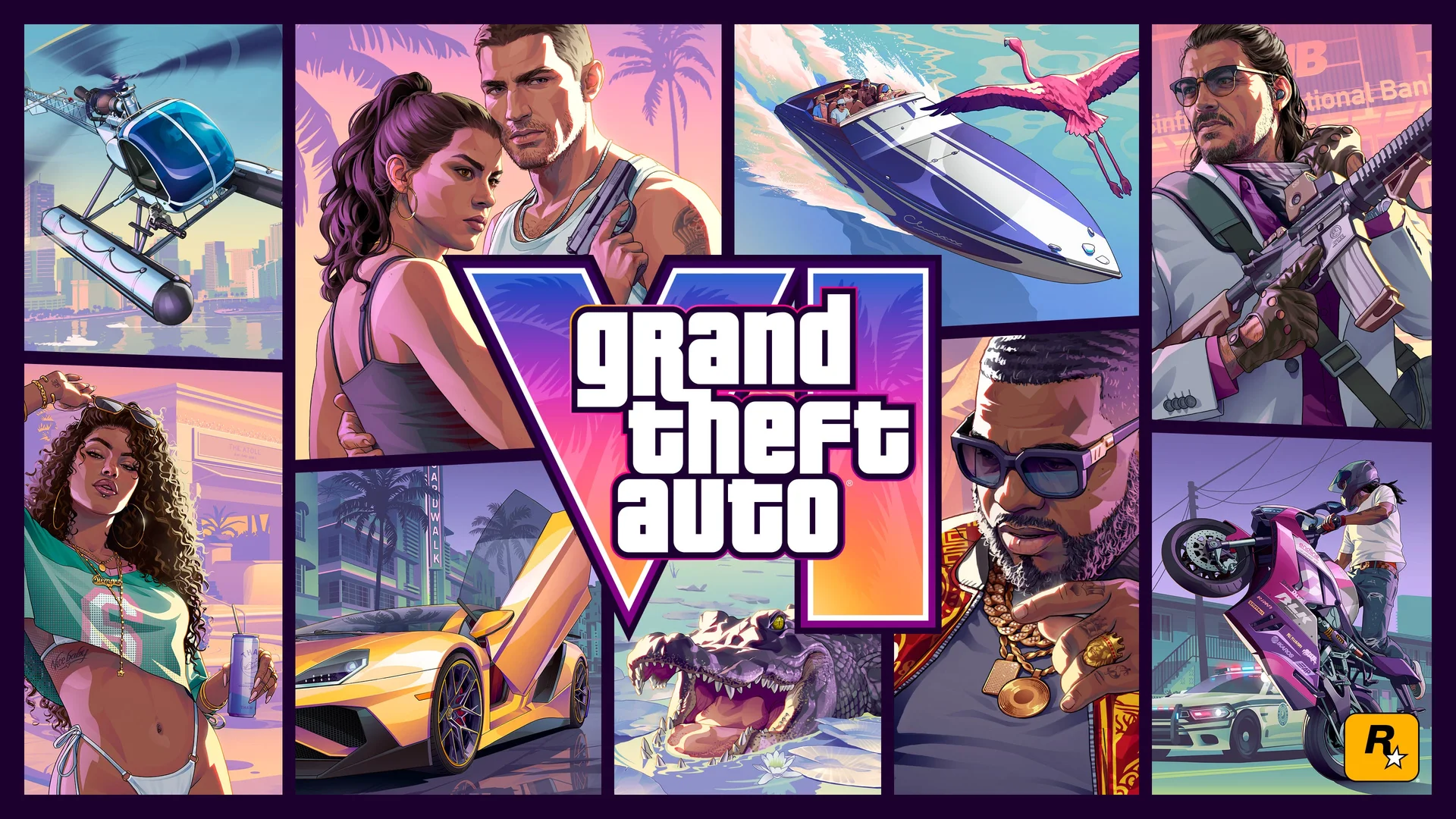
Platform availability comes before format choice. GTA 6's currently confirmed console platforms are a useful example: a buyer can only choose between disc and download on systems that a publisher supports.
That approach lets each buyer choose, but it also gives platform holders exact evidence about demand. Every digital-only console sold expands the audience that cannot purchase a physical game without additional hardware. At the same time, every disc model sold shows that access to boxed libraries still has value.
The detachable PS5 drive is especially revealing. It treats the optical drive as an option around a digital-first system instead of an inseparable part of the console. That is practical for manufacturing and gives players flexibility, yet it also makes physical access easier to remove from a future model.
Publishers can end a disc release before consoles do
A console may include a drive while a new game launches only as a download. That decision usually belongs to the publisher. A physical edition needs manufacturing, packaging, certification, shipping, inventory planning and agreements with retailers. A smaller game might not sell enough boxed copies to justify those costs, even when part of its audience would prefer one.
Large publishers can also limit physical production to premium editions or selected regions. This creates a quieter form of decline. The hardware remains compatible, but fewer games reach shelves and some copies become difficult to find soon after launch.
Download requirements complicate the meaning of a physical edition too. A disc can contain a complete playable build, part of a game, or little more than a route to an online installation. Players should check the exact release rather than assuming every box offers the same level of ownership or long-term access.
Retailers can accelerate the feedback loop
Shelf space is limited. If boxed game sales fall, retailers reduce the space given to them. With less visibility and fewer copies available locally, even interested players are more likely to buy digitally. Lower physical sales then give stores another reason to shrink the section.
That feedback loop can move faster than a formal console policy. A platform holder might continue supporting discs, yet a player may find that the nearest store carries only major launches, gift cards and accessories. Physical games still exist in that situation, but they stop feeling like a normal way to buy most releases.
Online retailers and specialist stores can keep collector editions and smaller print runs available. They cannot fully replace the discovery, trade-in and immediate availability once offered by a broad retail network. The future may therefore split into mass-market digital releases and a narrower physical collector market.
Xbox is testing a bridge between discs and digital access
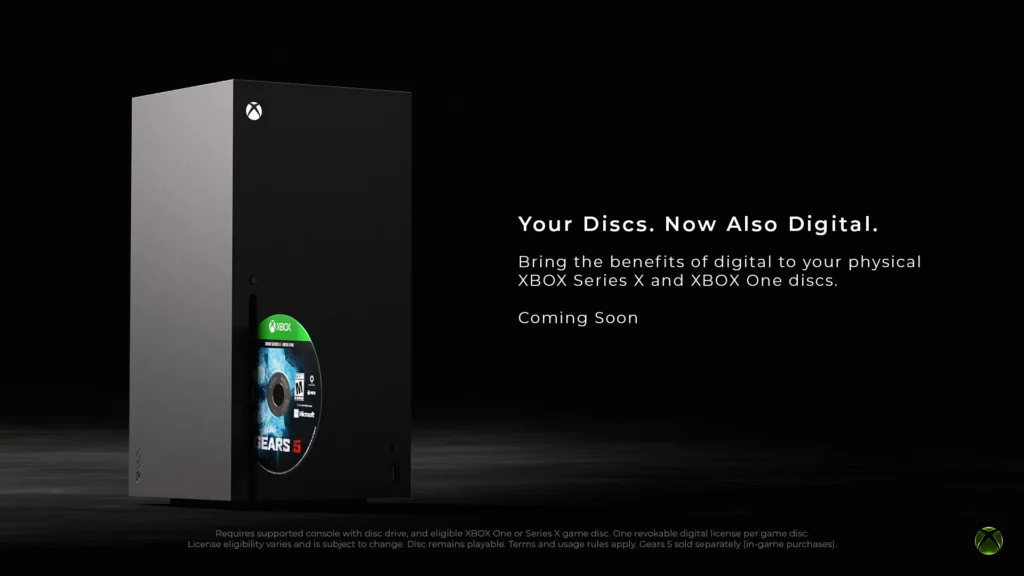
Microsoft's recent Xbox Insider feature points to a different response. On supported Xbox One and Xbox Series X games, a player can use an eligible disc in a disc-equipped console to claim digital entitlement. Publisher participation and title support are required, so it is not a universal conversion program.
The idea is important because it recognizes that a physical library and digital convenience do not need to be enemies. A verified disc can help an account carry access into a more digital ecosystem. The difficult questions concern permanence, publisher approval, account dependence and what happens when online verification is no longer available.
This is a bridge, not a replacement for preservation. A disc that contains a playable build can survive independently of a storefront for much longer. A digital entitlement depends on servers, licensing and account systems. Both can be useful, but they protect different things.
What players actually stand to lose
The strongest case for physical games is not nostalgia for boxes. It is optionality. A disc can often be resold, lent to a friend, purchased used or kept when a store listing changes. It can also give collectors a tangible record of a release. Digital purchases offer faster access, no disc swapping and convenient library management, but their use is tied more closely to an account and platform infrastructure.
Physical media is not automatically permanent. Patches, online modes and incomplete disc builds can still limit what remains playable. Digital ownership is not automatically disposable either, because strong platform support and preservation programs can keep a library usable across new hardware. The real question is which rights and recovery options remain when a company changes course.
Players who care about physical ownership should look beyond the logo on the console. Check whether the full game is on the disc, whether a mandatory download is required, whether offline play works, and whether the edition is available in your region. Buying the physical releases you genuinely want also gives publishers and retailers clearer evidence that demand still exists.
The end will be a chain of decisions
PlayStation and Xbox shape the market through hardware, licensing and production policy. Sony's 2028 decision proves that their choices can set hard limits. However, the broader end of physical games will come through a chain of smaller decisions: fewer publisher print runs, less retail space, more digital-only hardware and players choosing downloads because they are easier to obtain.
That distinction matters. It replaces a simple villain with a system that can be understood. Platform holders remain responsible for the doors they close. Publishers and retailers determine how many physical options reach players before those doors close, while customers decide whether the remaining market is strong enough to support.
Official sources: PlayStation physical disc production announcement, Sony fiscal year 2025 third-quarter supplemental report, revised PS5 console announcement, Xbox console options, Xbox disc-to-digital feature and Sony DADC production statement.