
A bold open-world adventure whose best moments come from combat, exploration and player freedom.
- Flexible physical combat
- A striking world worth exploring
- Strong PC presentation for its scale
- Too many systems compete for attention
- Some controls and boss fights can frustrate
Crimson Desert is worth playing if you want a large single-player adventure where combat, traversal and discovery matter more than a perfectly focused campaign. Pearl Abyss fills Pywel with battles, ruins, settlements and strange diversions. The result can feel thrilling one hour and overloaded the next.
This is an ambitious game with real spectacle and enough mechanical freedom to create memorable moments. It is also a game that expects patience while you learn its controls, priorities and many overlapping systems. PC players who enjoy experimenting will find far more to love than players who want a tightly directed action game.
The experience in practice
Choose Crimson Desert for its physical combat, broad exploration and sense of scale. The game lets Kliff fight with swords, axes, spears, ranged weapons and hand-to-hand techniques. Kicks, grabs, aerial attacks and environmental interactions give encounters more personality than a simple light and heavy attack loop.
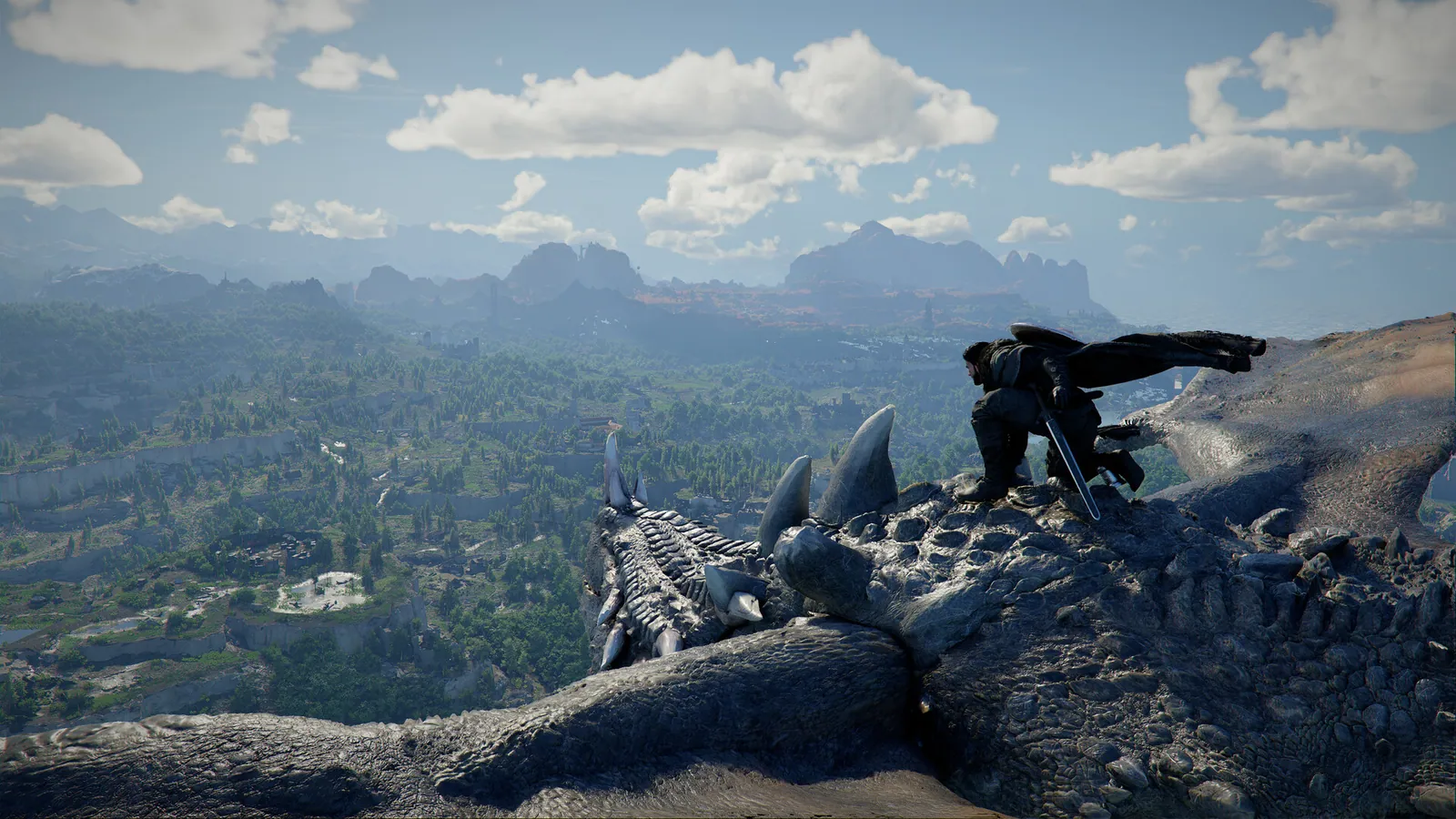
The world is equally important. Pywel stretches across wilderness, cities, ruins and the mysterious Abyss. Climbing, gliding, riding and other traversal options make distant landmarks feel like invitations instead of background scenery.
The tradeoff is focus. Crimson Desert often presents several mechanics, activities and objectives at once. Players who love open-world freedom may read that as possibility. Players who prefer clean progression may find it noisy.
Combat is the strongest reason to play
Crimson Desert feels best when a fight gives you room to improvise. A useful combat rhythm combines positioning, defence and a decisive counter instead of relying on one repeated combo. Weapons change the range and tempo of an encounter, while grapples and kicks make close combat feel forceful.
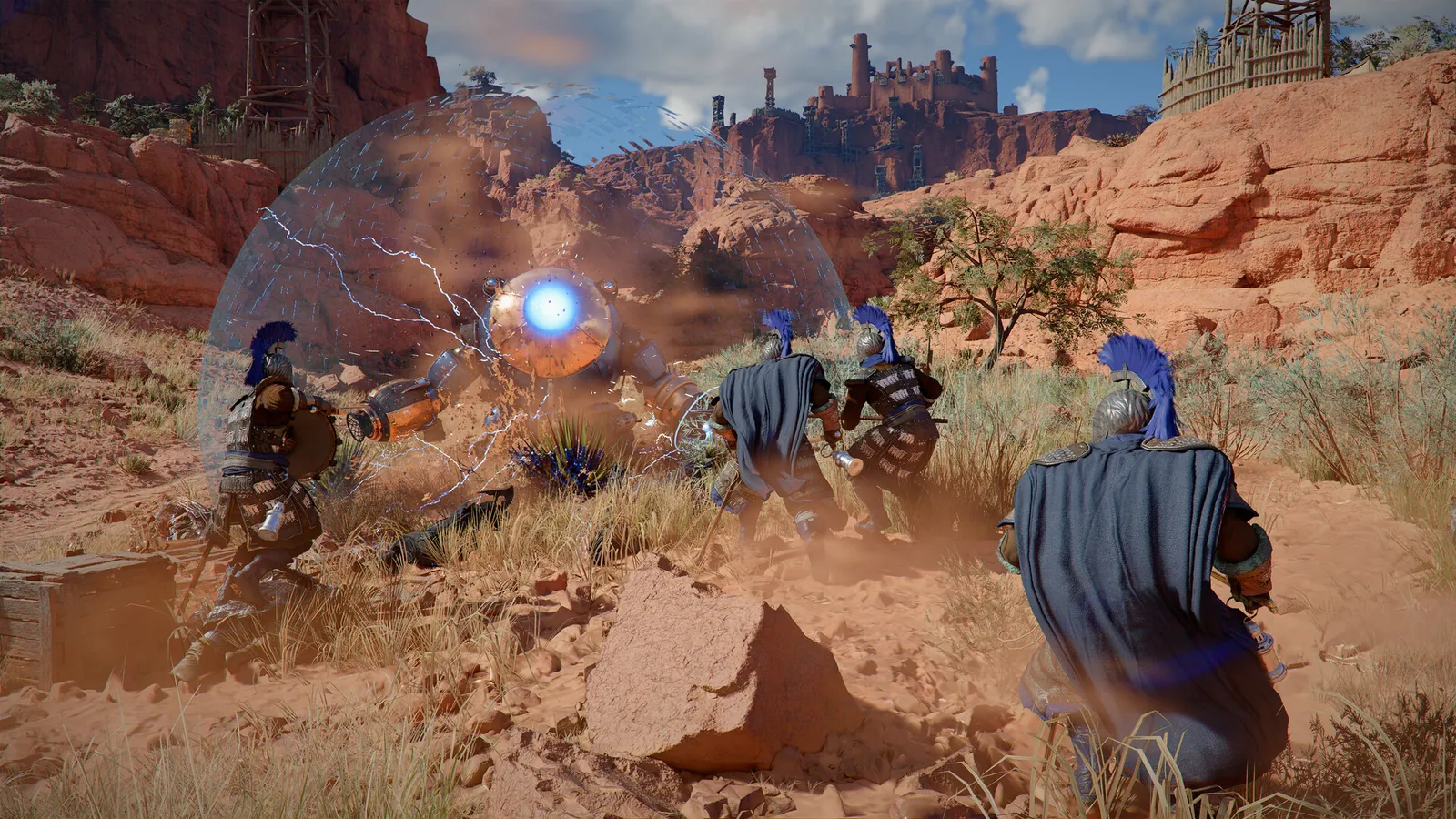
Large enemies and bosses turn that flexibility into a test. Their scale creates impressive set pieces, but the camera, targeting and dense move set can make difficult fights less readable than they should be. Learning when to create distance matters as much as learning a long sequence of inputs.
The system rewards players who practise a small group of reliable actions first. Learn one defensive response, one way to close distance and one strong punish. Add advanced techniques after those basics feel natural. That approach makes the early hours more controlled and lets the deeper combat open gradually.
See it in motion
An official video gives you a clearer look at the world, combat and pace.
Pywel rewards curiosity
The strongest exploration moments happen away from a checklist. A distant structure, unusual creature or sudden event can pull you away from the planned route and lead to a fight or discovery that feels personal. The official world design supports climbing and gliding, so height often changes how you read a location.
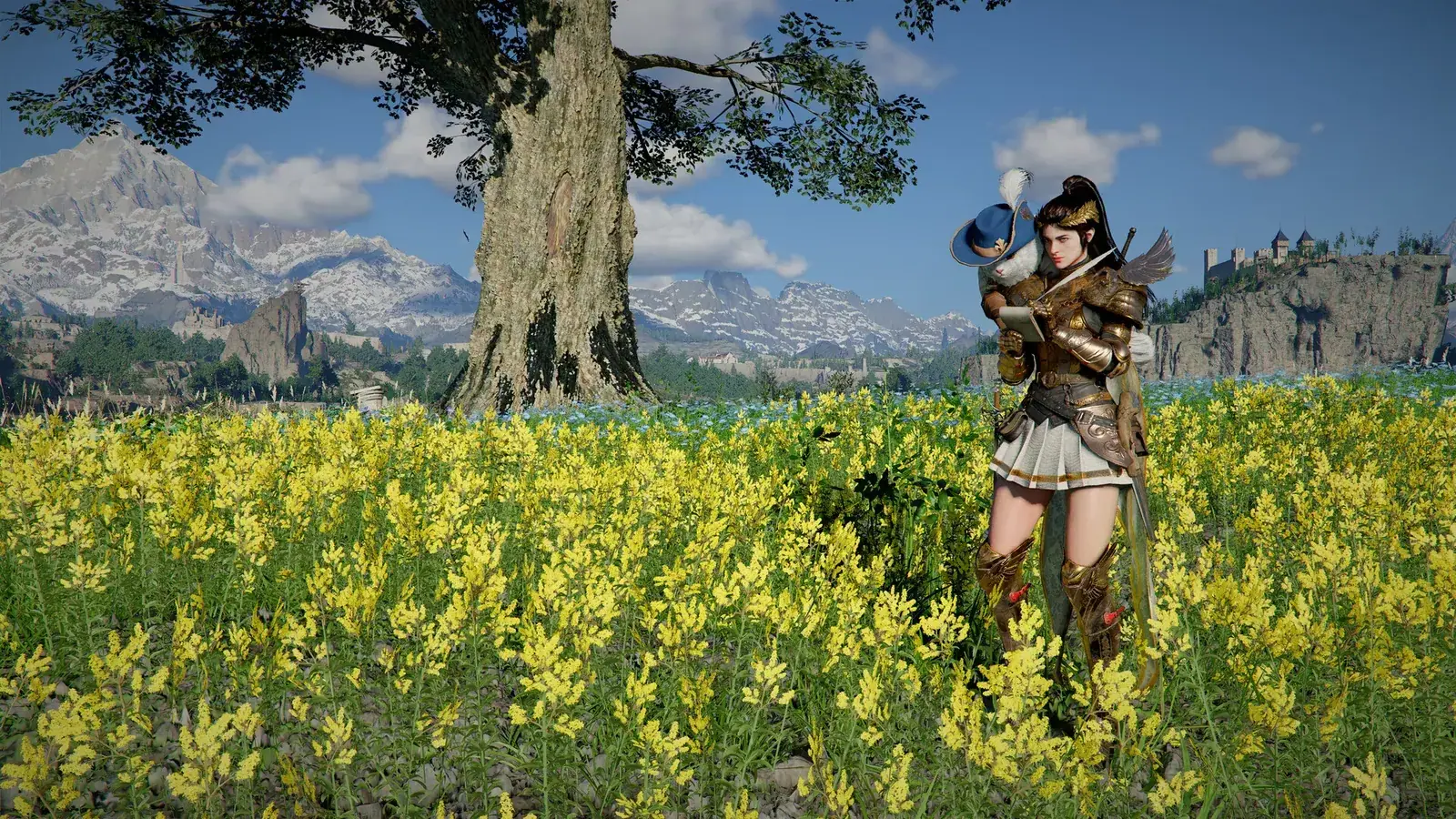
Pywel also benefits from visual variety. Green valleys, dry canyons, mountain settlements and ancient structures keep long trips from blending together. The world looks designed for screenshots, but the scenery works because movement and combat regularly interrupt the view.
Not every activity carries the same weight. Some quests and side systems feel more useful than others, and the game can struggle to explain which opportunity deserves attention. Follow the content that develops Kliff, improves a practical skill or reveals a new part of the world. Leave low-value distractions for later.
The scale creates freedom and friction
Crimson Desert wants to offer several fantasies at once: grounded sword fighting, massive creatures, political conflict, exploration and surprising mechanical shifts. That variety is a strength when the pieces support the same adventure. It becomes friction when a new system arrives before the previous one has settled.
The best way to enjoy the game is to resist the urge to clear everything immediately. Build a dependable combat setup, follow the main story until the essential systems are clear, then explore one region at a time. This keeps the map from becoming a wall of unfinished tasks.
Players who enjoy discovering mechanics without a rigid tutorial will appreciate that freedom. Players who want every feature explained in a clean sequence should expect a rougher opening.
PC performance is a welcome strength
Crimson Desert requires DirectX 12 on PC, and performance still depends on hardware, resolution and settings. Published PC testing has generally found a better technical result than the scale of the world might suggest, although reports also mention occasional visual pop-in and uneven moments.
Start with a stable frame-rate target, then tune shadows, effects and image quality around it. Test settings during a busy fight and while moving quickly through a settlement. A quiet landscape can hide the drops that matter during play.
Keyboard and mouse give direct camera control, but the broad combat move set may feel easier to learn on a controller. Try both before committing. The better choice is the one that makes defence, targeting and weapon changes feel consistent.
Who should play Crimson Desert?
Crimson Desert suits players who enjoy action games with room for experimentation. It is a strong match if you want:
- A large single-player world with varied landscapes
- Physical combat with several weapons and close-range options
- Exploration that rewards leaving the direct route
- Big creatures, dramatic encounters and visual spectacle
- A game that keeps revealing new mechanics
Wait for a deeper discount if you dislike crowded open worlds, demanding boss fights or control schemes that take time to settle. A player looking for a short and tightly paced story will not get the best version of what Crimson Desert offers.
The verdict
Crimson Desert is easy to admire and sometimes harder to organise. Its combat and world create enough standout moments to justify the learning curve, while its weaker systems stop it from feeling consistently refined.
For the right PC player, that imbalance is part of the appeal. Pywel feels unpredictable, dangerous and full of opportunities to try something different. Crimson Desert earns an 8.1 out of 10 because its ambition produces real excitement, even when the game reaches for more than it can present cleanly.
For a more story-driven open world with flexible builds, compare it with our Cyberpunk 2077 PC review.
Official references: Crimson Desert official site, official PC specifications, official Steam page.